
Understanding Moving Valuation Versus Relocation Insurance
Upgrading to a larger home along the beautiful Wasatch Front should be an exciting milestone for your family. However, the process of getting all your cherished belongings from point A to point B often brings a wave of anxiety. One of the biggest concerns we hear from families planning a move is how to protect valuables during relocation. With stories of rogue movers and complicated cargo damage claims floating around the internet, it is completely normal to feel skeptical. You want peace of mind knowing that if something unexpected happens, you are financially protected.
To achieve that peace of mind, it is crucial to understand the difference between moving valuation and insurance. While they might sound like the same thing, they function very differently. Let's break down exactly what moving company valuation options are, how they differ from traditional insurance policies, and how you can make the best choice for your upcoming transition.
What is Moving Valuation?
The first thing to know is that moving valuation is not technically insurance. Instead, it is a contractual level of liability that moving companies are required by law to assume for your belongings. When you hire legitimate, licensed movers, federal and state regulations mandate that they offer you this protection. This transparency is a key indicator of a reliable company that strictly adheres to FMCSA regulations, protecting you from hidden fees and broker scams.
There are generally two types of valuation you will encounter when reviewing your contract:
Released Value Protection: This is the most basic option and is typically included in your move at no additional cost. However, it only provides minimal coverage, usually compensating you at 60 cents per pound per article. For example, if a 10-pound flat-screen television is damaged during transit, released value protection would only cover $6.00, regardless of the TV's actual monetary value.
Full Value Protection: This is a more comprehensive option that you can purchase upfront for an additional premium. Under full value protection, if an item is lost, destroyed, or damaged during the move, the moving company has the option to repair the item, replace it with a similar item, or make a cash settlement for the current market replacement value. Understanding released value versus full value protection is absolutely essential when you are calculating your overall budget. While full value protection requires an upfront investment, it offers significantly better peace of mind for families transporting high-quality furniture and expensive household goods.
How Relocation Insurance Works
While valuation is provided directly by your moving company as a measure of their liability, relocation insurance is purchased through a third-party insurance provider. Because moving companies are not licensed insurance agents, they cannot legally sell you true moving insurance.
If you opt for basic released value protection through your mover, you might decide to purchase a separate third-party insurance policy to cover the remaining value of your items. This can be particularly useful if you are transporting highly valuable, lightweight items like electronics, designer clothing, or fine art, where a weight-based valuation payout simply would not make sense.
A very common question we get is whether existing homeowners or renters insurance policies cover belongings while they are in transit or sitting in a storage unit. The answer depends entirely on your specific provider and policy limitations. Some homeowners policies cover items while they are being transported to a new residence, while others strictly cover items while they are physically inside your insured home. Before buying supplemental third-party insurance, we highly recommend calling your current insurance agent to see what your existing policy entails.
Best Practices for Protecting Your Valuables
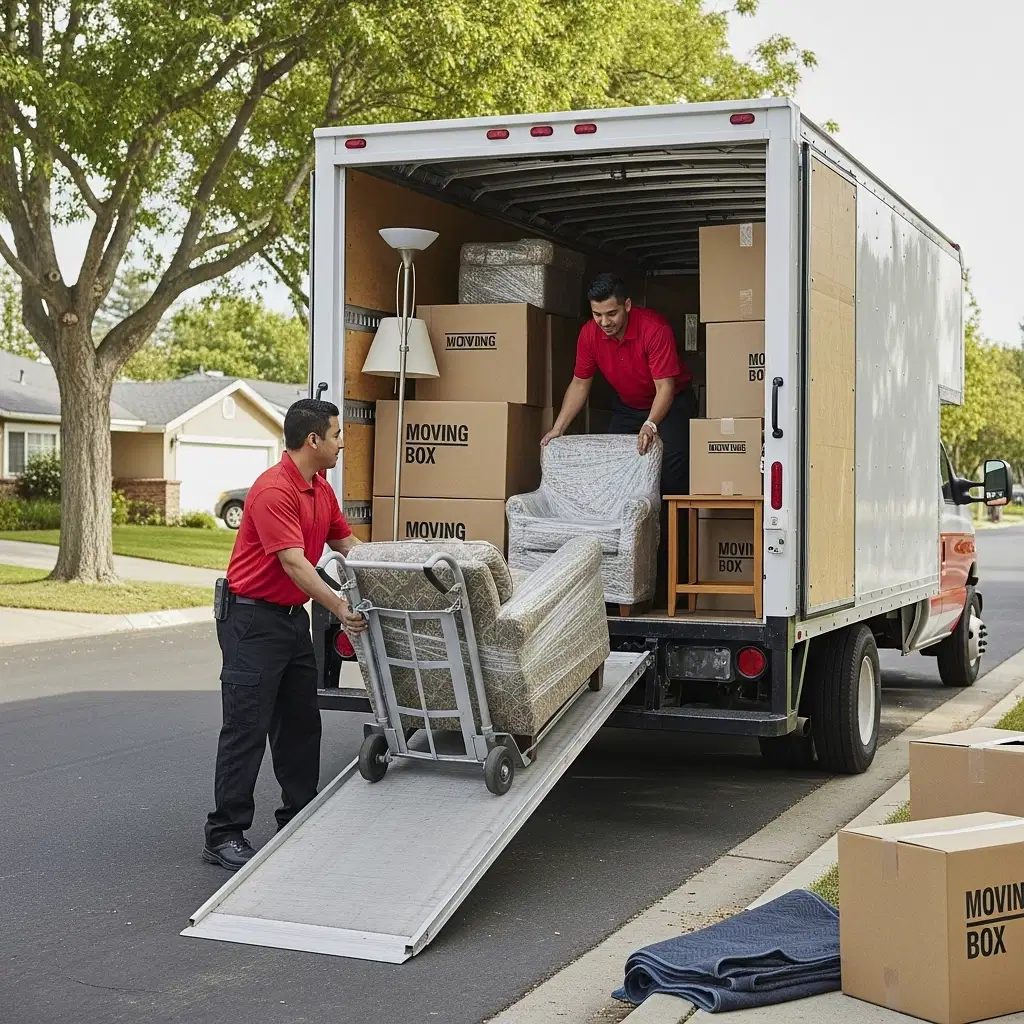
Whether you are navigating a local residential moving project to a beautiful new build in Farmington or organizing complex long distance moving logistics across state lines, preparation is your best defense against damage and loss.
Start by taking a detailed inventory of your home before the packing begins. Document the condition of your high-value items with photographs and videos. This simple step makes the process much smoother if you ever do need to file a damage claim. Additionally, consider transporting irreplaceable items—like jewelry, important financial documents, family heirlooms, and small electronics—in your personal vehicle rather than putting them on the main moving truck.
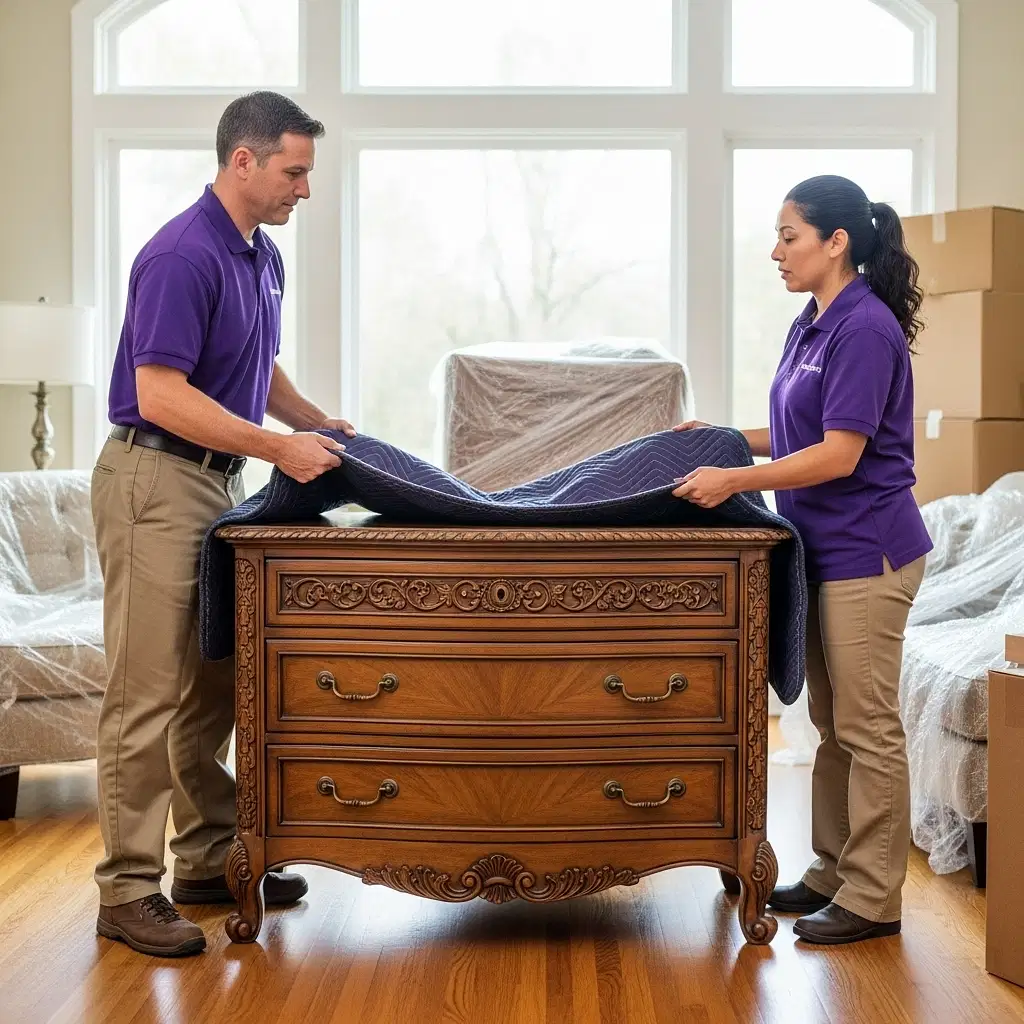
At S and S Moving, our primary focus is helping families safely transition into newer, larger homes throughout Weber and Davis County. We know that careful handling of your belongings is your top priority. That is why our uniformed, background-checked crews use premium packing materials like sturdy boxes and thick protective blankets. We train our teams to treat your antique dining table and delicate home decor with the exact same care they would use for their own families, drastically reducing the chances that you will ever need to use your valuation coverage.
Making the Right Choice for Your Move
Deciding between basic valuation, full value protection, or third-party insurance ultimately comes down to your personal comfort level, your budget, and the value of the items you are transporting. By taking the time to understand moving company valuation options and carefully reviewing your existing insurance policies, you can avoid the financial surprises that often accompany rogue moving scams and heavily broker-managed moves.
If you are planning a relocation along the I-15 corridor and want a partner who values transparent pricing, highly accurate estimates, and the utmost care for your belongings, we are here to help. Reach out to the team at S and S Moving today to discuss your upcoming move and learn more about our premium moving and storage services designed specifically for families who expect the best.