
A Guide to What Professional Movers Cannot Legally Transport
Moving into a new, larger home is an exciting milestone for many families along the Wasatch Front. Upgrading your space means new memories, better neighborhood amenities, and room to grow. But as you start to organize your garage, pack up the kitchen, and prepare for the big day, you might find yourself wondering about the logistics of getting everything from point A to point B.
One of the most common questions we hear at S and S Moving is about the rules governing what can actually go on the truck. It is incredibly important to understand what items cannot be packed by movers before moving day arrives. Federal and state regulations strictly dictate what professional moving and storage companies are allowed to put in their trucks.
Why Do These Regulations Exist?
It is easy to feel frustrated when you learn that certain items must be left behind, but these rules are not arbitrary. They exist primarily for safety, liability, and regulatory compliance. The Federal Motor Carrier Safety Administration (FMCSA) sets strict guidelines that legitimate moving companies must follow to maintain their licenses and ensure the safety of their crews, the public, and your belongings.
When a moving company adheres strictly to these regulations, it is a strong indicator that you are working with a legitimate, insured, and professional business. Unfortunately, the moving industry has its share of rogue operators who might promise to move anything for a cheap price, only to hold belongings hostage or disappear when an illicit item causes a fire or damage. By respecting the list of prohibited items for moving companies, we protect your cargo and ensure a seamless, damage-free relocation.
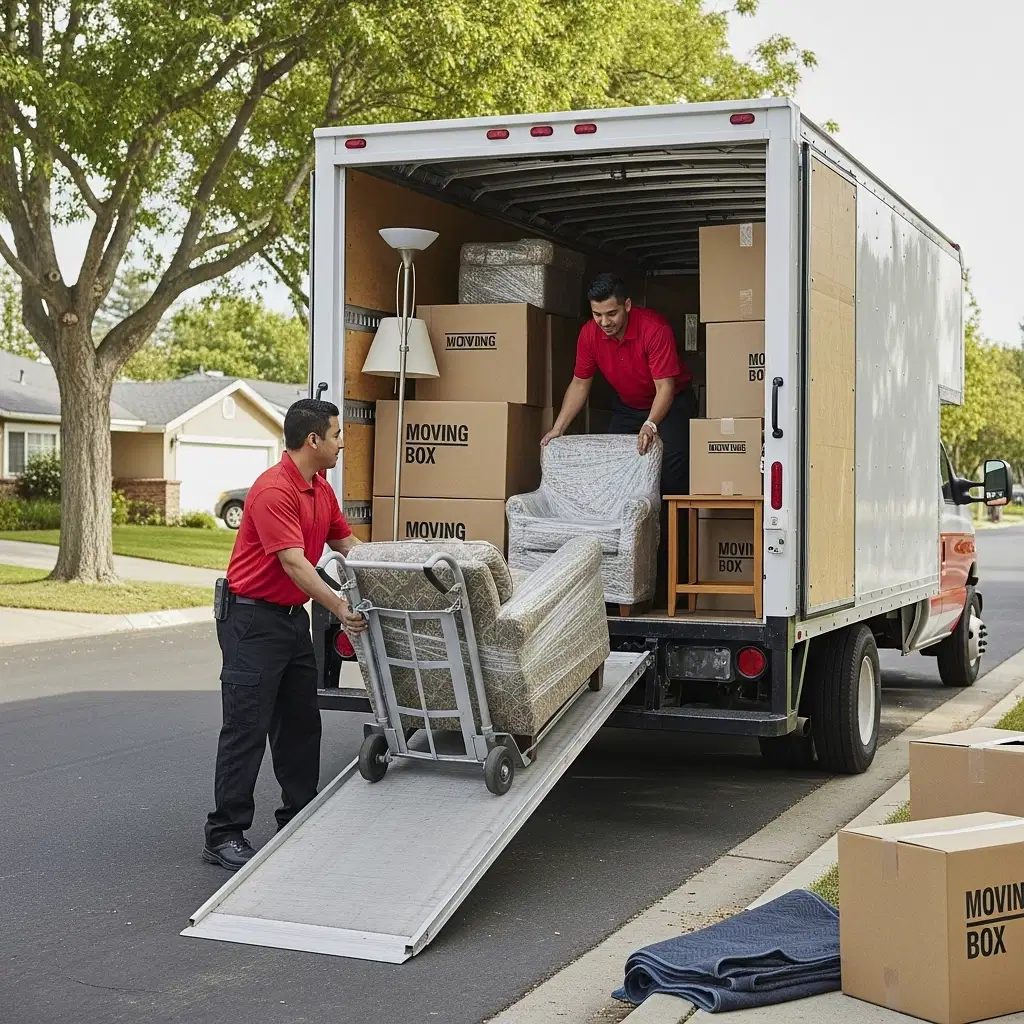
Hazardous Materials and Flammable Items
When creating a hazardous materials moving checklist, the rule of thumb is simple: if it is combustible, corrosive, or highly flammable, it cannot go on the moving truck. During the peak summer moving season, the back of a moving truck can reach incredibly high temperatures. Transporting volatile chemicals under these conditions poses a severe risk of fire or explosion.
Some of the most common items movers will not move include:
- Gasoline, motor oil, and antifreeze
- Propane tanks (even if they are mostly empty)
- Paint, paint thinner, and varnishes
- Aerosol cans (including hairspray and spray paint)
- Pool chemicals and strong household cleaners
- Fertilizer, pesticides, and weed killer
- Car batteries and fireworks
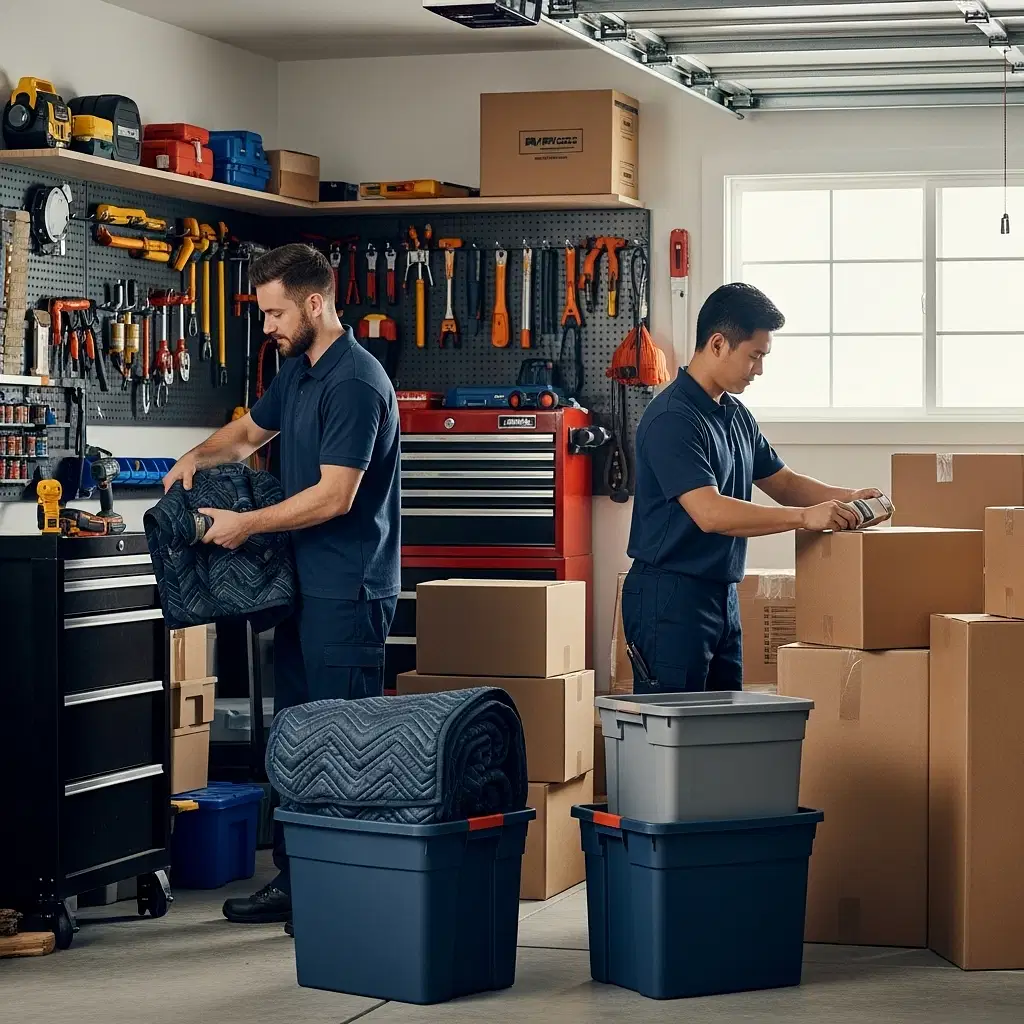
If you are taking advantage of our packing and unpacking services, our trained crew will expertly sort through your garage and under-sink cabinets. We will safely set these hazardous items aside so you can decide how to dispose of them or transport them safely in your own vehicle.
Perishable Foods and Living Things
While we would love to transport your entire pantry and garden, perishable items are another category that professional movers cannot load. Food items that require refrigeration or are already opened can quickly spoil during transit. Not only does this create an unpleasant smell, but spoiled food can also attract pests, which you certainly do not want introduced to your belongings or your new home.
Similarly, living things are off-limits. Houseplants often cannot survive the extreme temperature fluctuations inside a moving truck, and they can harbor soil pests. Pets, of course, need to travel safely with you in a climate-controlled vehicle where you can tend to their needs.
Irreplaceable Valuables and Personal Documents
While not strictly illegal to transport, there is a distinct category of items that professional moving and storage services strongly advise you to keep on your person. These are high-value, sensitive, or deeply sentimental items that are irreplaceable.
We pride ourselves on the meticulous, careful handling of your belongings, and we carry comprehensive insurance coverage. However, traditional valuation coverage cannot replace the sentimental value of a family heirloom or the immediate necessity of personal documents. You should plan to personally transport:
- Cash, checkbooks, and credit cards
- Passports, birth certificates, and social security cards
- Medical records and daily prescription medications
- Fine jewelry and small family heirlooms
- Laptops, external hard drives, and crucial work files
By keeping these items in a personal bag in your car, you eliminate the stress of worrying about them during the shuffle of moving day.
On the other hand, what about large, heavy valuables? Items like gun safes, grand pianos, and large antique furniture can absolutely be transported by our team. We provide dedicated special item moving to ensure these oversized, heavy, and delicate pieces are wrapped, loaded, and secured with the utmost expertise.

How to Handle Items Left Behind
Knowing what cannot go on the truck is only half the battle; deciding what to do with those items is the next step. We recommend tackling your hazardous materials and perishables a few weeks before your move. Try to consume frozen foods and pantry staples by planning meals around them. For cleaning supplies and yard chemicals, ask your neighbors if they could use them, or look up your local county hazardous waste disposal guidelines.
Let's Make Your Next Move Stress-Free
Relocating your life requires a lot of moving parts, but understanding what to pack and what to leave behind makes the process significantly smoother. Knowing these regulations protects your belongings and ensures you are working with a trustworthy team that does things by the book.
If you are planning a transition in Farmington or the surrounding communities, S and S Moving is here to help. We provide transparent pricing, exceptional care, and comprehensive residential moving solutions tailored to your family's specific needs. Ready for an accurate, no-hidden-fee estimate? Reach out through our contact page and let us take the heavy lifting off your shoulders.